Tree Pruning and Trimming in Markham
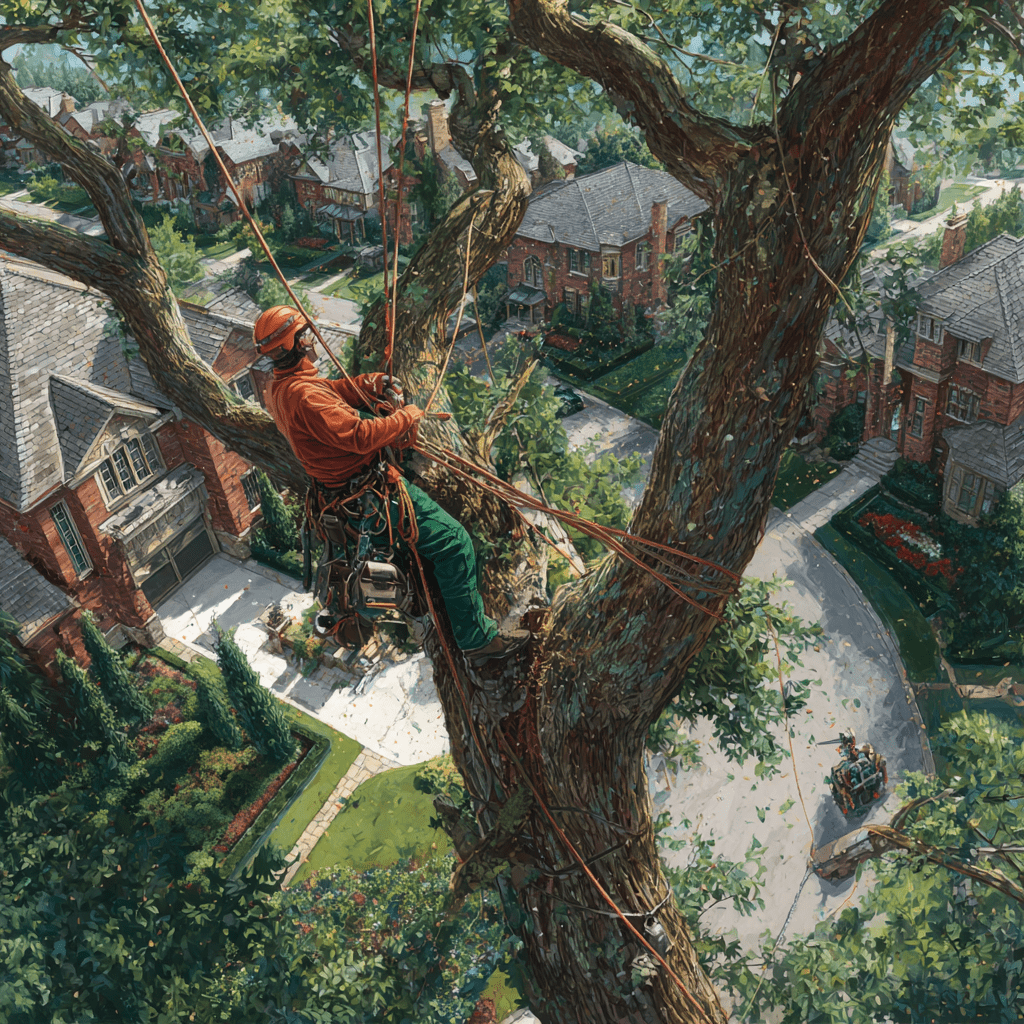
We provide ISA-standard tree pruning and trimming across all of Markham. Whether you have a mature estate oak in Unionville, a row of silver maples along a newer street in Cornell, or a young tree on a Berczy Village lot that needs structural work, our certified arborist assesses the tree first and prunes with a clear purpose.
We do not top trees. Topping removes a large portion of the live crown, forces rapid regrowth of weak water sprouts, leaves large wounds that decay and shortens the life of the tree. Every pruning cut we make follows ISA standards: cut to a lateral, a node or the branch collar so the wound closes properly and the tree can compartmentalize the injury.
ISA Pruning Standards We Follow
- Crown thinning: selective removal of crossing, crowded and rubbing branches
- Crown raising: removal of lower limbs to increase clearance below the canopy
- Crown reduction: reducing overall size while maintaining a balanced natural shape
- Deadwood removal: removing dead, dying and weakly attached branches
- Structural pruning: shaping young trees to develop a strong dominant leader
- Clearance trimming: removing branches from structures, rooflines and utilities
Tree Pruning vs. Tree Trimming
The words pruning and trimming are often used interchangeably by homeowners, but they describe related yet distinct practices. Tree pruning is a targeted process that removes specific branches to improve the structural integrity, health or safety of the tree. Cuts are made to laterals or branch collars following ISA Pruning Standards, and the goal is always to benefit the long-term condition of the tree.
Tree trimming is typically a broader maintenance practice focused on managing the size, shape and clearance of the tree. It often involves more cuts over a larger area of the canopy and is driven by practical goals such as keeping branches clear of a roofline, reducing shade on a lawn, or maintaining a specific visual profile. Good trimming still follows proper cutting technique and avoids unnecessary damage to the tree.
In practice, most jobs involve both: our arborist removes deadwood and structurally weak branches (pruning) and at the same time addresses clearance or size concerns (trimming) in a single efficient visit.
Common Pruning Projects in Markham
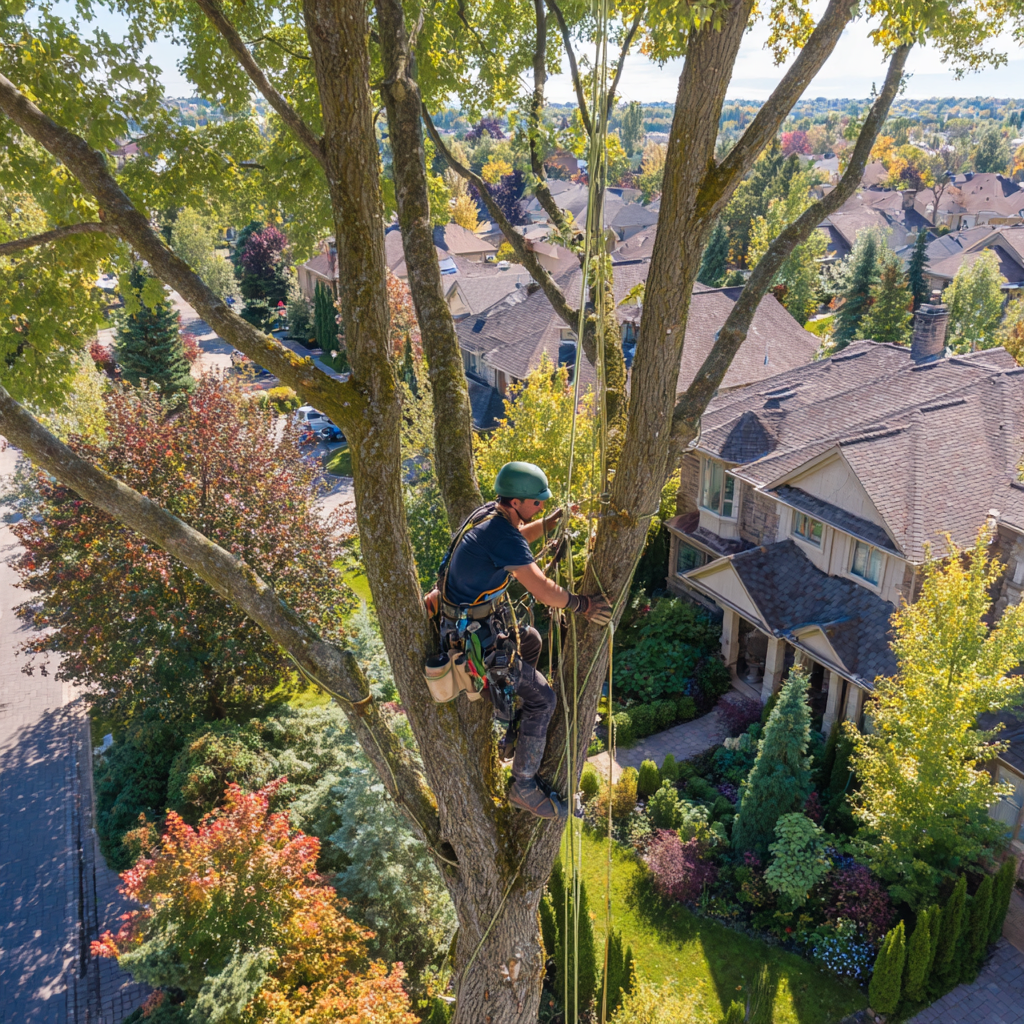
Deadwood removal is one of the most common requests we receive in Markham. Mature maples, oaks, elms and silver maples accumulate dead branches over time, particularly in the upper crown. These dead branches can drop without warning and create a hazard for people and structures below. We remove all visible deadwood in a single visit and assess for other structural issues at the same time.
Crown thinning is popular with homeowners whose mature trees are heavily shading the garden, lawn or house. Selective removal of interior branches and crossing limbs opens the canopy to light and wind without changing the tree's overall shape or height. The result is a healthier, more wind-resistant tree that still provides shade and character.
Structural pruning on young trees is increasingly requested in Markham's newer subdivisions. Trees planted five to fifteen years ago are at the stage where a few well-placed pruning cuts now can prevent costly problems later, by establishing a clear dominant leader, removing co-dominant stems with tight V-crotches and reducing the weight of scaffold limbs before they become too large to manage easily.
Frequently Asked Questions
Does tree pruning in Markham require a permit?
Pruning regulated trees (20cm DBH or over) does not require a permit under By-law 2023-164 as long as the work follows recognized arboricultural standards. Topping, removing more than one-third of the live crown in a single year, or performing work that is likely to kill or seriously damage a regulated tree would put you in violation of the bylaw. Our work is always standards-compliant.
When is the best time of year to prune trees in Markham?
Most deciduous trees can be pruned year-round. Late winter (February to March, before leaf-out) is an ideal time because the tree's structure is fully visible, wounds close rapidly with spring growth, and insect and fungal pressure is lowest. Summer pruning after growth has hardened off is also effective for deadwood removal and minor crown work. We avoid heavy pruning of oaks in spring and early summer due to oak wilt risk.
How often should my trees be pruned?
Most mature trees benefit from a full pruning inspection every three to five years. Young trees in their structural development phase benefit from lighter, more frequent pruning every two to three years. Fruit trees and formal ornamentals may need annual attention. We assess each tree and recommend a maintenance schedule based on what we observe.
Can you prune branches hanging over my neighbour's yard?
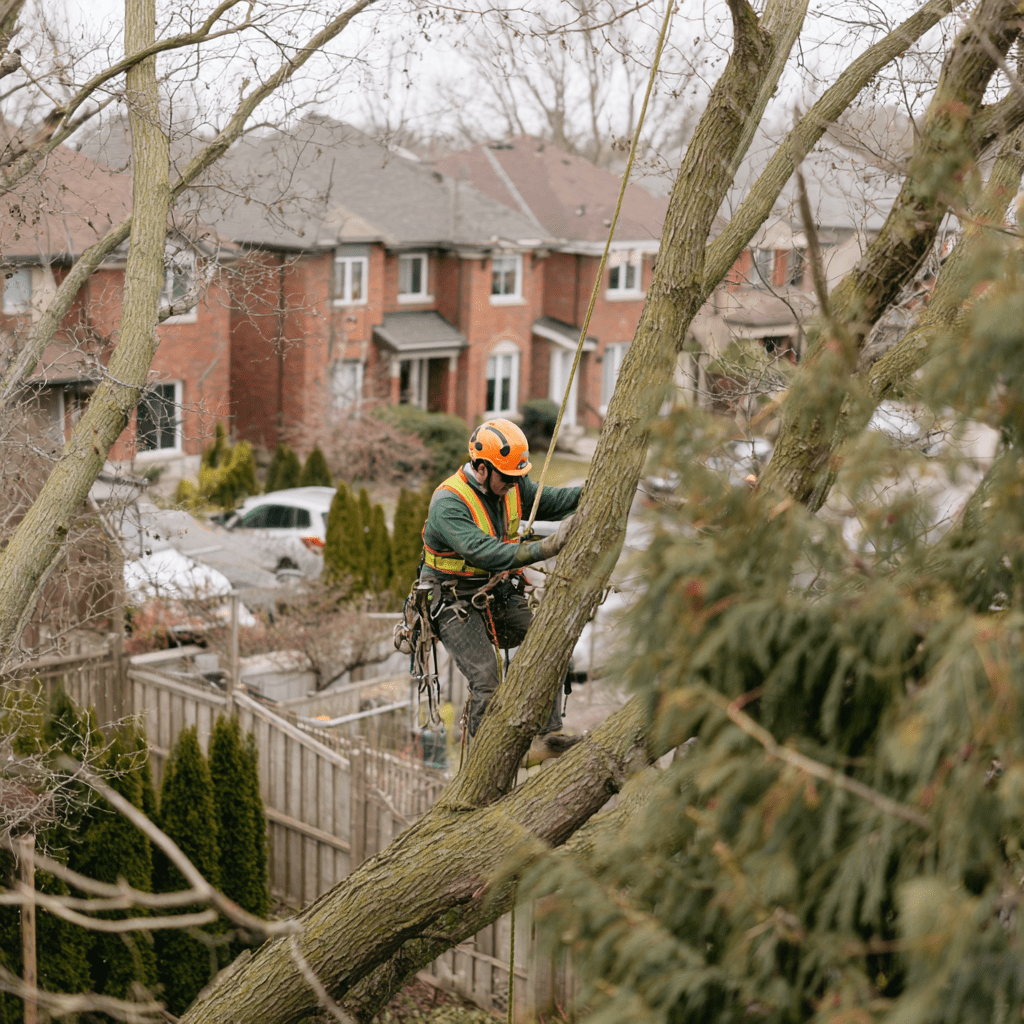
Yes. Branches overhanging a neighbouring property are a frequent source of disputes and we handle this regularly. We access the tree from your side of the property line and prune back to appropriate laterals within the canopy, removing all material from the work area on your property.
Do you provide a written quote before pruning?
Yes. Our arborist visits the property, assesses the tree, discusses your goals and provides a written estimate before any work begins. There is no charge for the site visit and no obligation to proceed.
More Markham Tree Services
Get a Free Estimate for Tree Work in Markham
We serve all of Markham including Unionville, Cornell, Markham Village, Angus Glen, Cathedraltown, Berczy Village, Wismer Commons, Box Grove, Milliken Mills, Cachet, Raymerville, Greensborough and Buttonville. Our certified arborist visits your property, confirms bylaw requirements and provides a firm written quote before any work begins.