Junk removal starts with what is actually leaving the property
Household cleanouts and bulky items
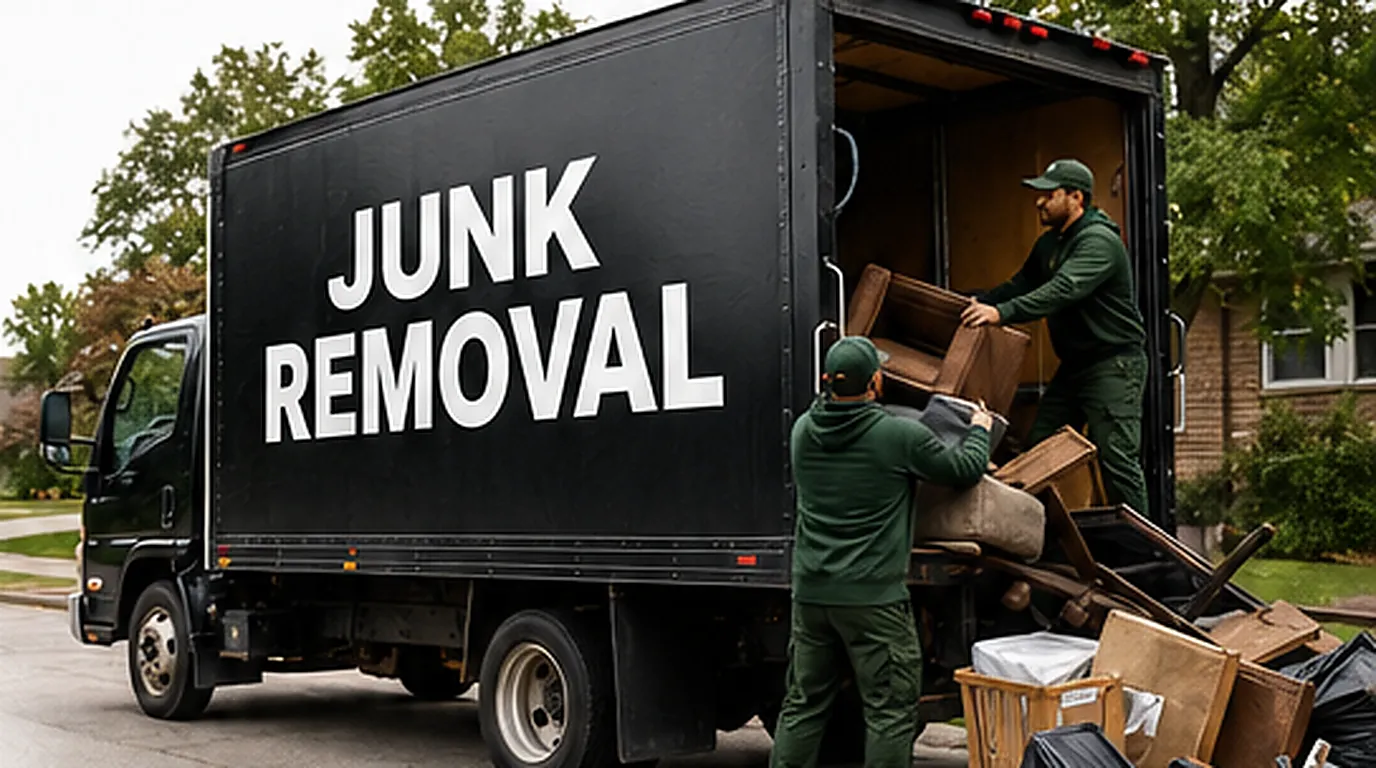
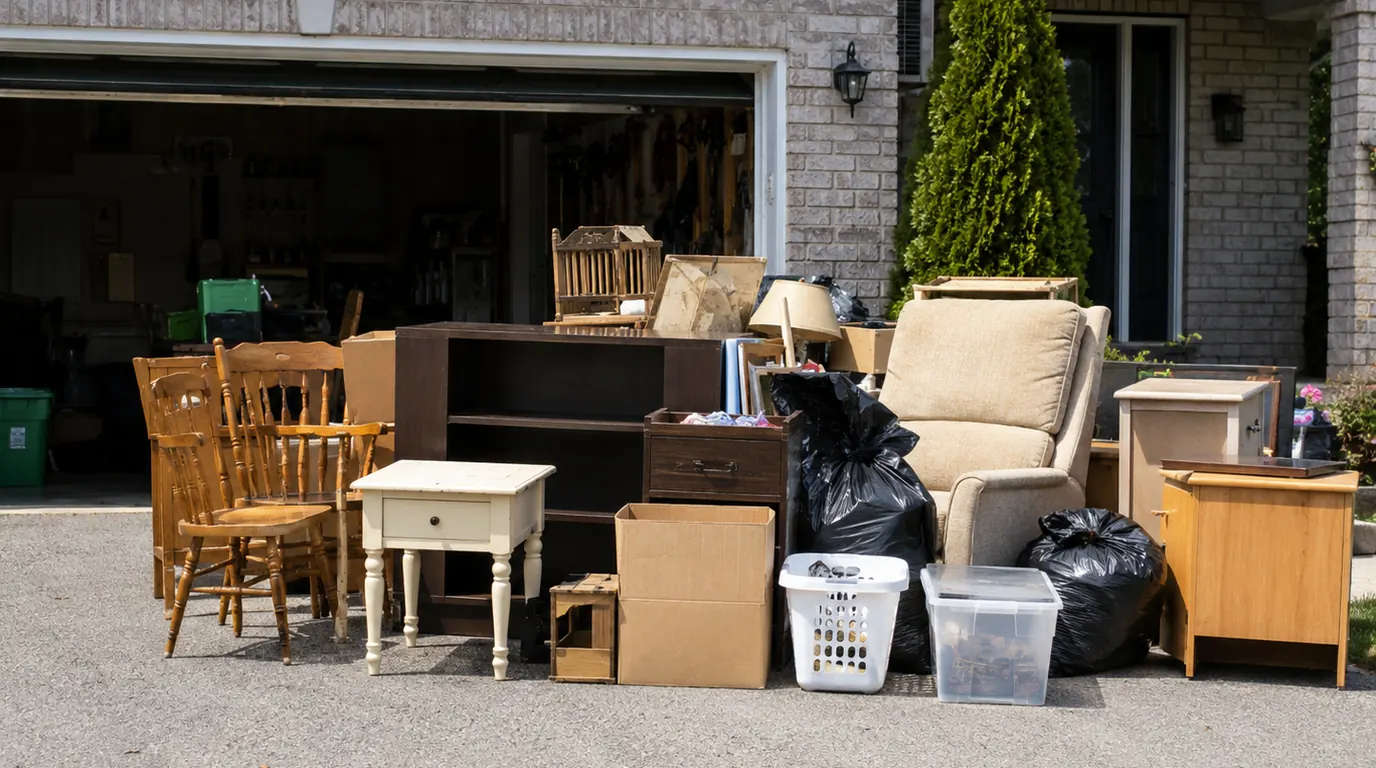
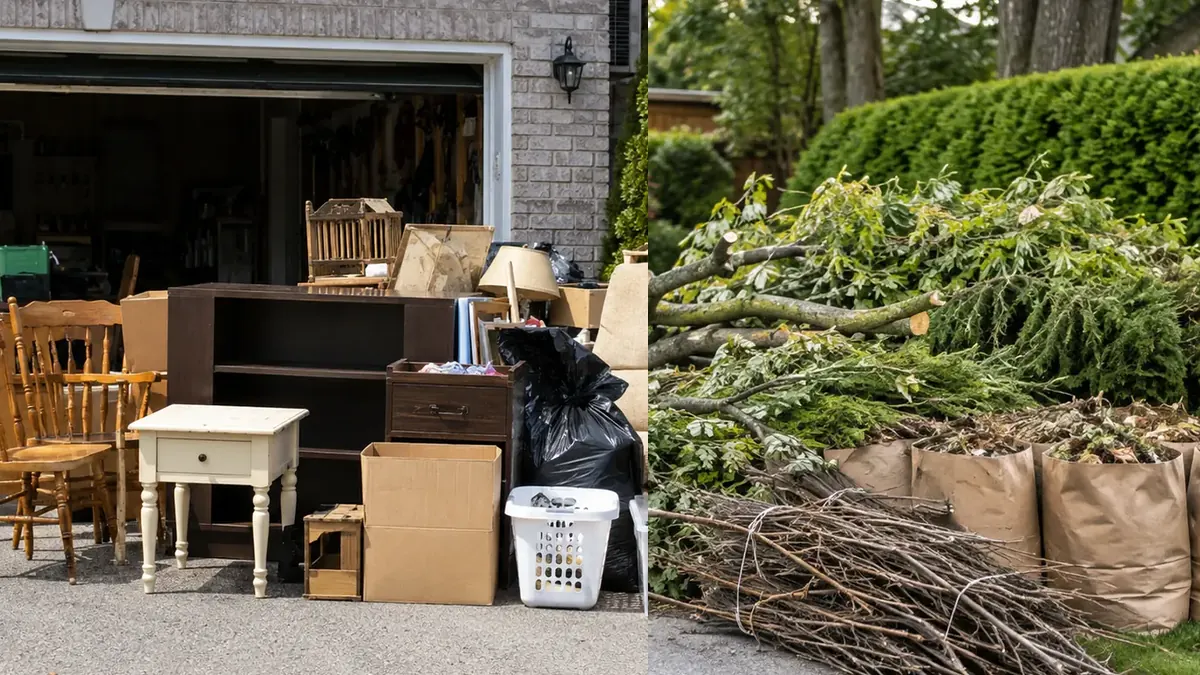
Furniture, boxed household contents, basement or garage clutter and other bulky items can create a large volume quickly. Describe the largest pieces, approximate quantity, floors or stairs, and whether anything must be taken apart before it can leave the property.
Yard debris and exterior cleanups
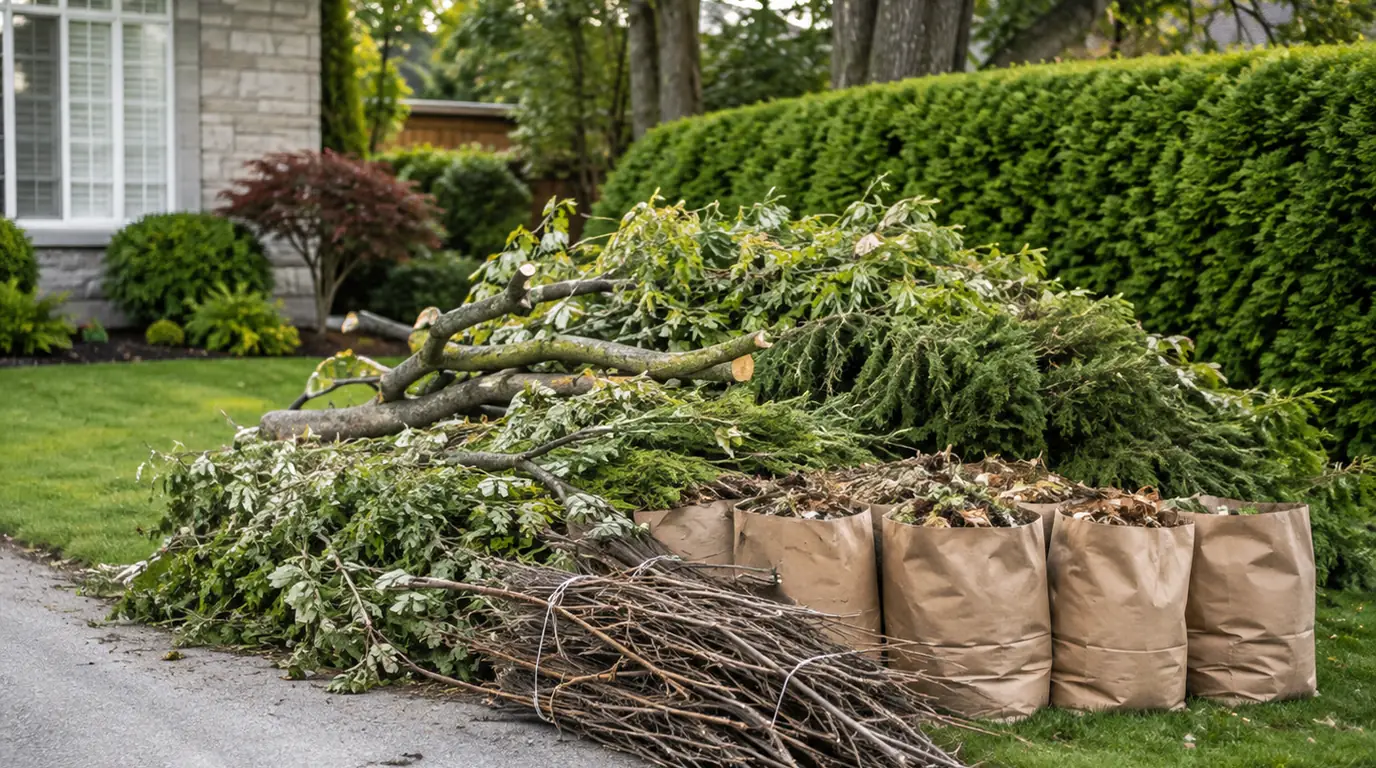
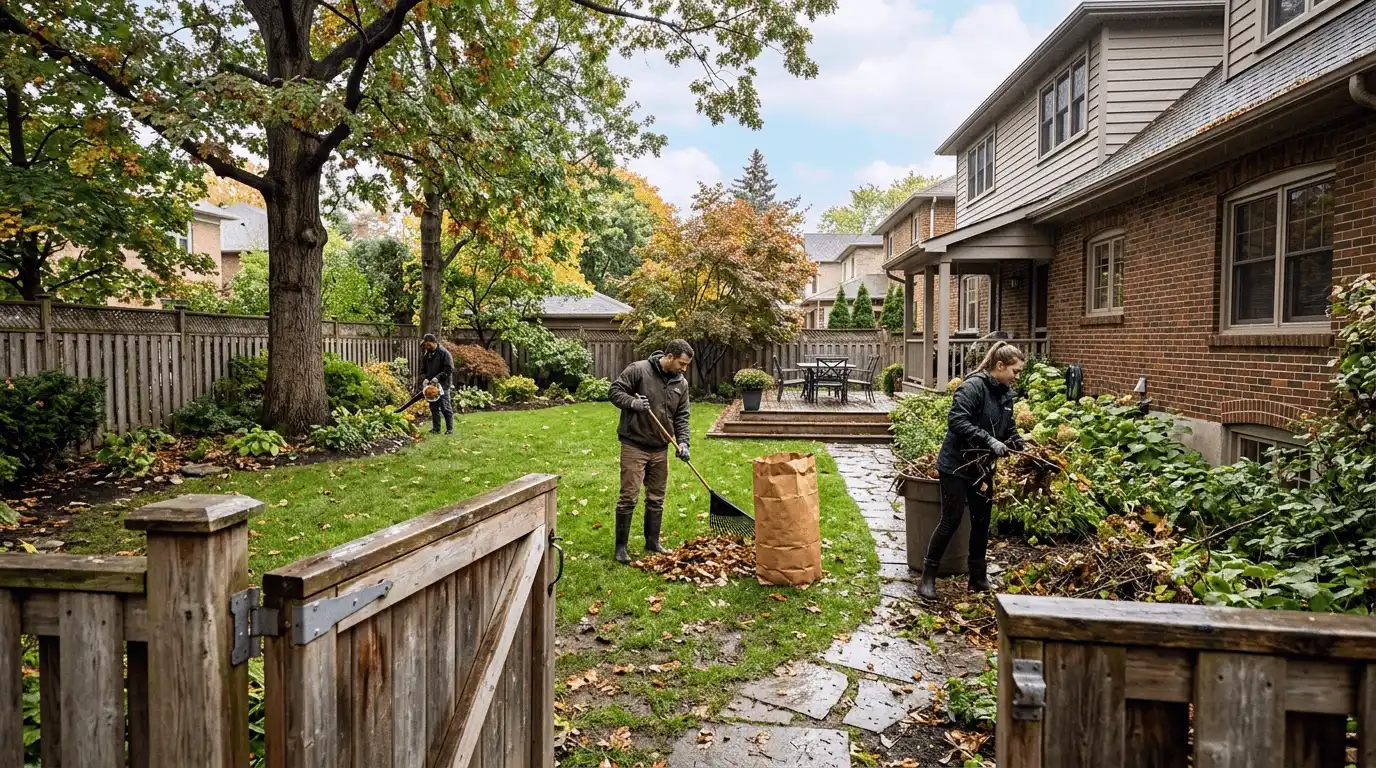
Bagged yard debris, branches, brush and ordinary exterior clutter may fit a junk-removal request when the material can be handled safely. Large tree failures, standing trees and stump work remain separate tree-service requests.
Renovation and project debris
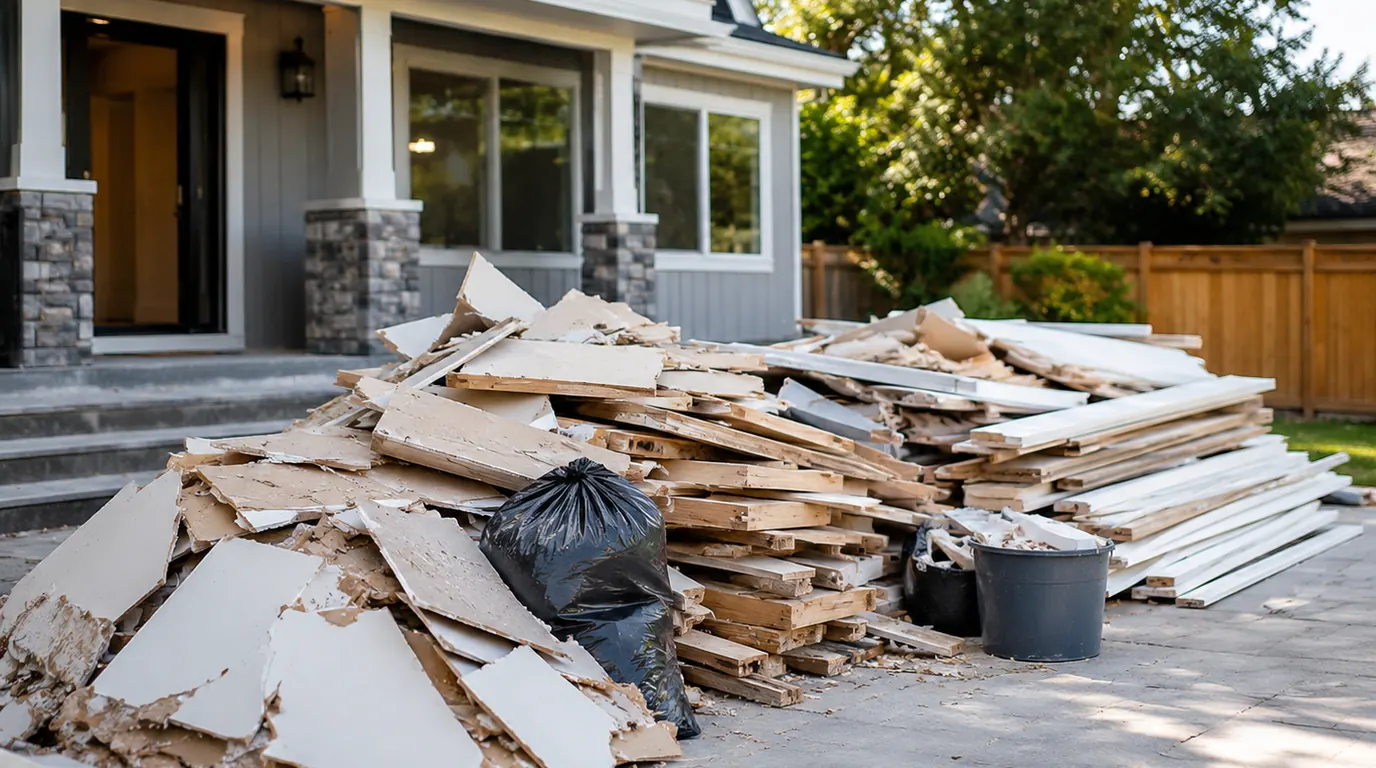
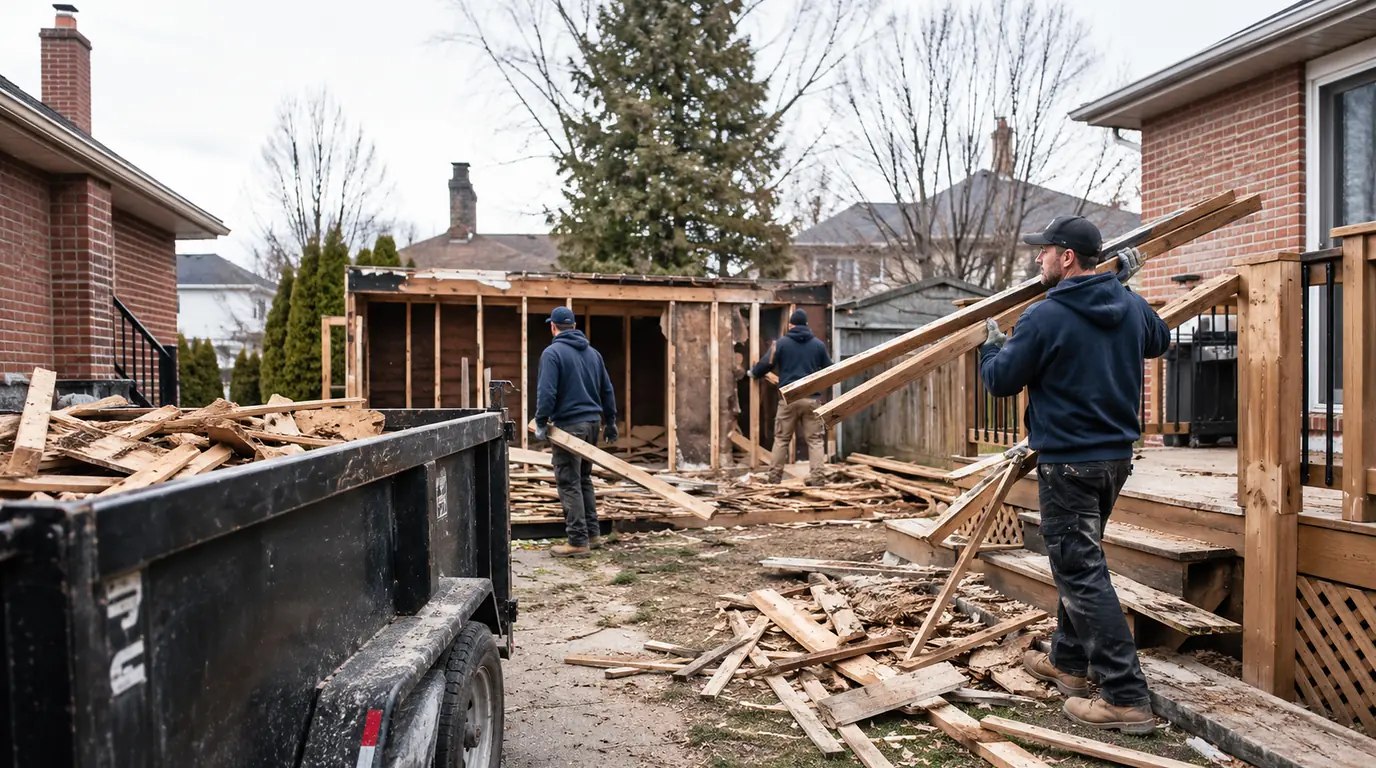
Wood, cabinetry, flooring and other renovation debris can require different handling from ordinary household junk. Identify the materials rather than calling everything garbage, especially when the load may contain drywall, concrete, sharp material or regulated waste.
Common junk-removal requests
Show the material, approximate volume and route to the loading area. Wide photos usually explain the scope better than close-ups of individual items.
Household & garage cleanouts
Furniture, boxes, bagged clutter and bulky household items can be reviewed together when the volume and access route are shown clearly.
Renovation & project debris
Drywall, lumber and suitable renovation debris should be identified by material and approximate volume so disposal requirements can be checked.
Yard & exterior debris
Bagged leaves, brush, branches and ordinary exterior debris may fit the request when the material is clearly separated from tree-service work.
Volume, access and material type shape the estimate
Two piles that look similar in a photo can require very different labour and disposal planning. A useful request explains how much material is present, how the crew can reach it and whether the load contains heavy, sharp, restricted or unusually bulky items.
How much is there?
Show the entire pile or room and include a familiar scale such as a doorway, driveway or vehicle. A wide photo is more useful than several closeups when the main question is total volume.
How does it reach the truck?
Stairs, elevators, narrow gates, long rear-yard carries and street-parking restrictions can change the work significantly. Include a second photo showing the route from the material to the driveway or legal loading area.
What is mixed into the load?
Ordinary furniture and clutter are different from renovation debris, electronics, liquids, paint, chemicals, propane cylinders or suspected hazardous material. Unclear or regulated items should be identified before pickup rather than discovered during loading.
Municipal disposal rules still matter
Junk removal does not make local disposal rules disappear. Toronto directs construction and renovation waste to approved drop-off options rather than regular curbside collection, and Durham excludes renovation material such as cabinetry, lumber, drywall, doors and carpet from normal garbage collection. Household hazardous waste must follow designated municipal handling rules. Confirm the actual materials before the job is scheduled.
Start with mattresses, sofas, appliances, cabinets, heavy wood, renovation material or any item that may need more than one person to move. Then summarize the remaining bags, boxes or loose debris.
Flag anything uncertain or restricted
Mention paint, fuel, chemicals, batteries, compressed cylinders, electronics, sharp material and anything you cannot identify confidently. Do not hide questionable material inside bags or boxes.
Describe the finished condition
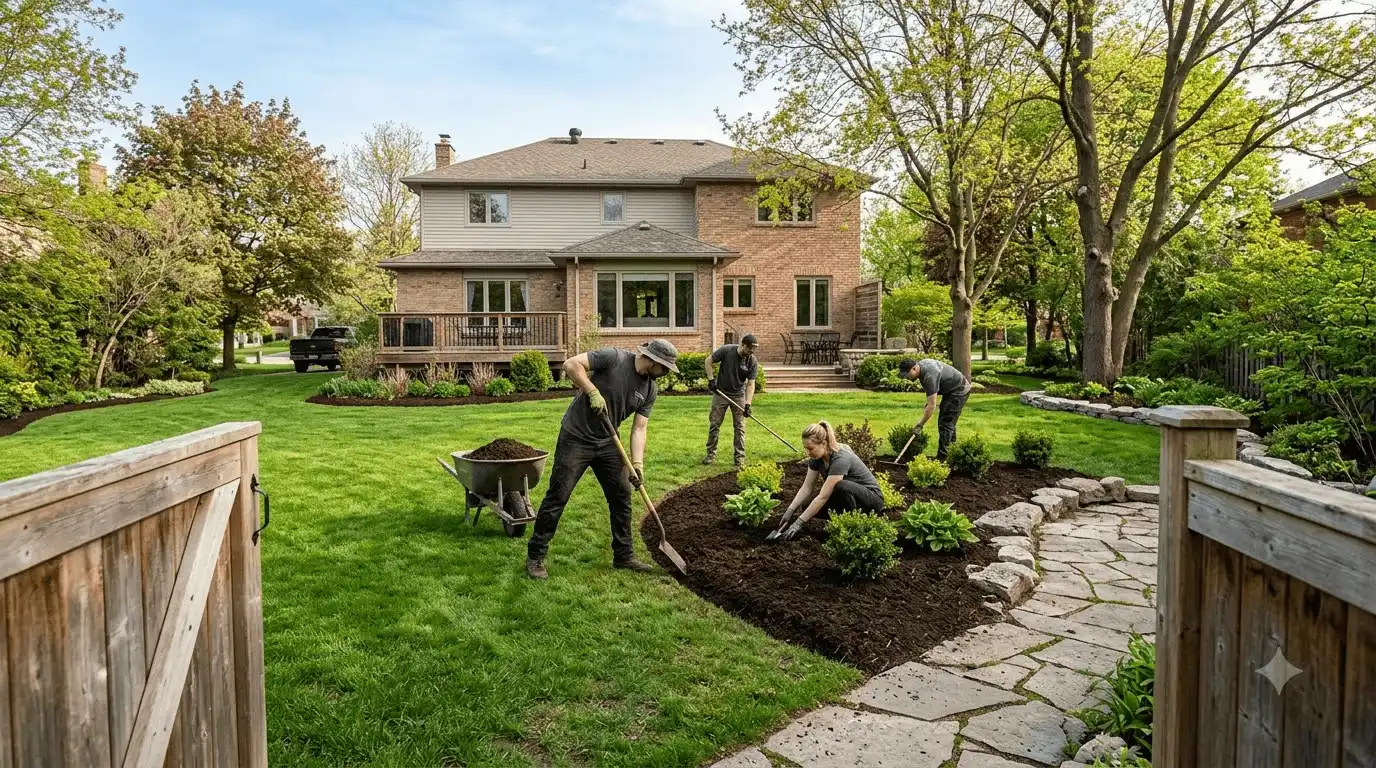
Say whether you want only the listed pile removed, a room or garage cleared, loose debris swept from the work area, or the property prepared for a separate yard, landscaping or demolition project.
Questions homeowners ask
Junk removal questions
What kinds of junk can I request for removal?+
Household clutter, furniture, bulky items, ordinary yard debris and suitable renovation debris can be reviewed. The exact material matters, so list large, heavy, sharp, electronic, chemical or unusual items before scheduling.
Do you take household hazardous waste?+
Do not assume hazardous or regulated material is part of a normal junk-removal load. Paint, chemicals, fuels, compressed cylinders and similar items may require designated municipal handling or another qualified service.
Can junk removal include renovation debris?+
Suitable renovation debris can be reviewed, but the material type and volume must be clear. Toronto and Durham both treat renovation material differently from ordinary curbside garbage, so disposal requirements should be confirmed before pickup.
Can I combine junk removal with demolition or landscaping?+
Yes, when those services are available for the property, but keep them as separate scopes. Demolition, haul-away, yard cleanup and landscaping should each be described clearly so the estimate reflects the actual work.
What photos should I upload?+
Upload a wide photo of the full pile or room, an access photo showing the route to the driveway or loading area, and close photos only for unusual, heavy or potentially restricted items. The form accepts up to five optional images.
Next step
Request junk removal and debris cleanup
Send the east GTA location, describe what needs to leave the property, identify the biggest or unusual items and attach optional photos. A local property-service professional can review the request and follow up about scope and estimate details.