Tree Services in Hamilton, Ontario
Tree-related requests from Downtown Hamilton, Westdale, Durand, Kirkendall, Ainslie Wood, Crown Point, Gibson, Stipley, Rosedale, Red Hill, Ancaster, Dundas, Stoney Creek, Waterdown, Flamborough, Glanbrook, Binbrook, Mount Hope and other Hamilton communities | Independent contractor referral where available | (437) 367-8733
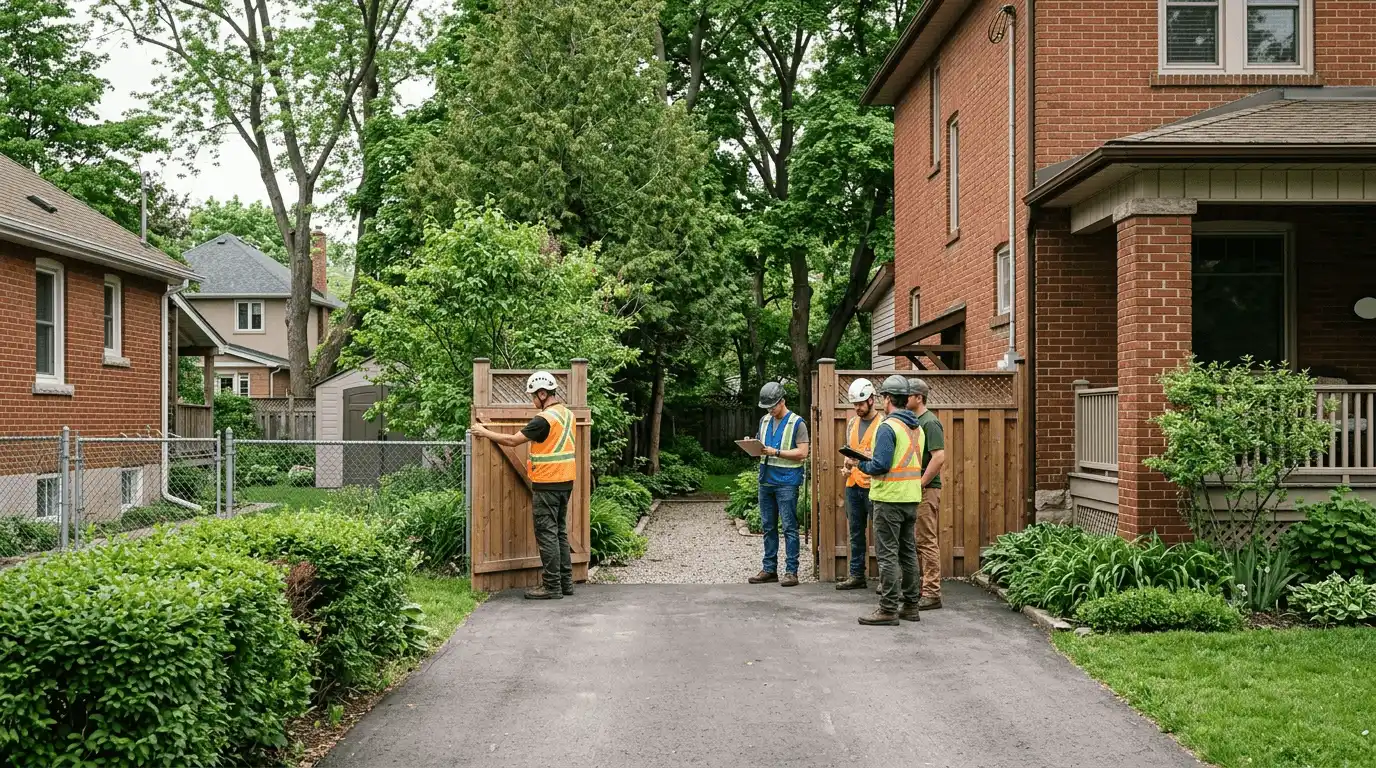
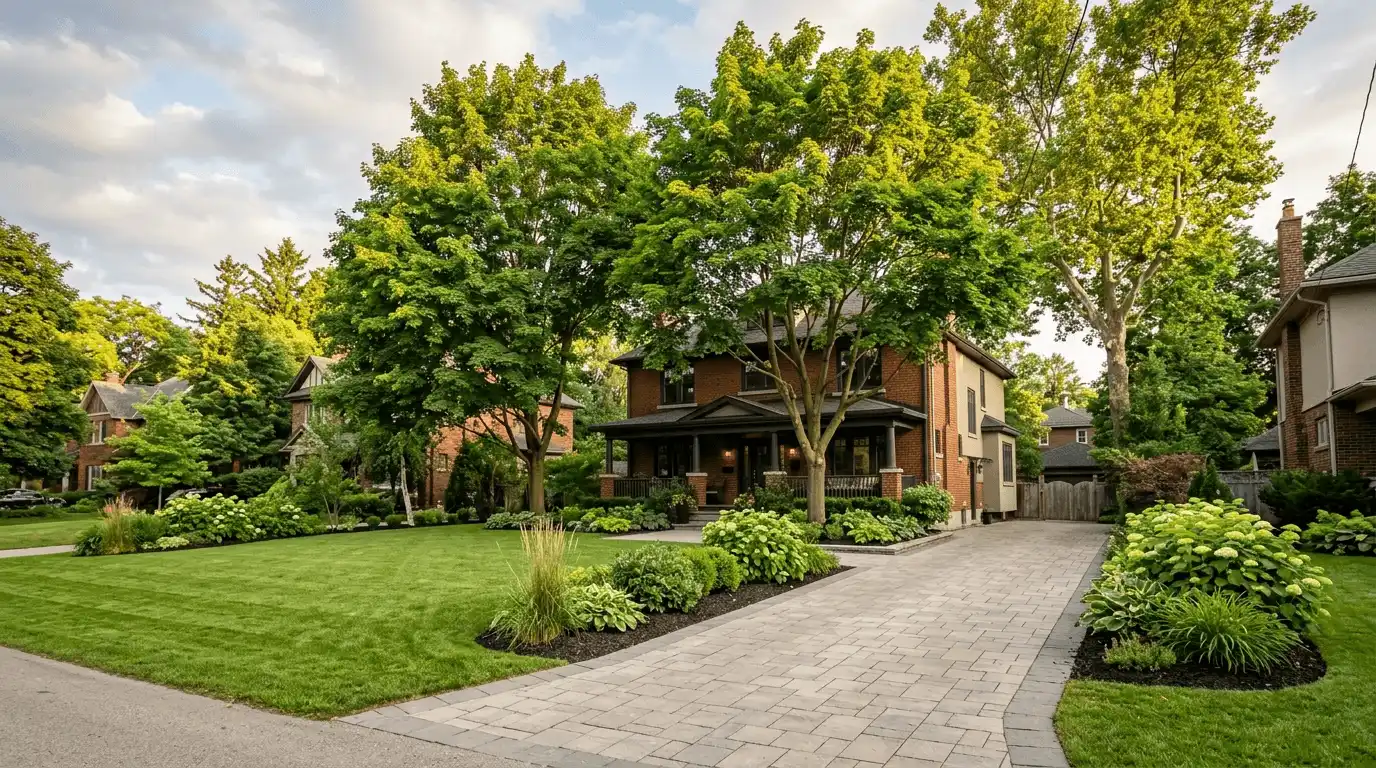
Hamilton, Ontario includes dense lower-city neighbourhoods, mature residential streets, escarpment-area lots, lakefront properties, rural-edge communities, older commercial corridors, suburban subdivisions, and homes near ravines, creeks, valleys, wooded areas, and steep slopes. Tree-related requests in Hamilton can vary widely because access, property lines, retaining walls, overhead wires, driveways, fences, neighbouring structures, public property boundaries, and natural features may all affect how an independent contractor reviews the site before providing an estimate.
Toronto Tree Services helps Hamilton property owners submit tree-related requests that may be forwarded to an independent arborist or tree care professional where available. Requests may involve tree removal, pruning, stump grinding, urgent tree concerns, hedge trimming, or arborist report inquiries. The independent contractor is responsible for their own assessment, estimate, scheduling, pricing, payment terms, cleanup terms, qualifications, work methods, communication, and service outcome directly with the customer.
Tree Rules and Hamilton Properties
Tree-related work in Hamilton may involve different rules depending on whether the tree is private, City-owned, located on a boulevard or road allowance, inside a woodland, in a former municipality with its own private-tree rules, or near a regulated natural feature. Customers should confirm current requirements directly with the City of Hamilton, Hamilton Conservation Authority where applicable, or an independent arborist before authorizing removal, injury, pruning, or other tree-related work.
Hamilton Tree Permit and Responsibility Notes
Tree ownership in Hamilton depends on the location of the tree, not who planted it. If a tree may be on City property, a boulevard, road allowance, park, cemetery, or open space, customers should contact the City of Hamilton before hiring a private contractor.
Private tree rules may differ across Hamilton. Properties in the former City of Hamilton, Ancaster, Dundas, Stoney Creek, woodlot areas, rural-edge communities, or regulated areas may involve different requirements. Customers should confirm whether a permit, municipal review, arborist report, conservation authority review, or other documentation is needed before work begins.
Hamilton also states that companies hired for private-tree pruning, removal, or investigative work must have a valid Tree Cutting Service License issued by the City. Customers should confirm licensing, scope, pricing, cleanup terms, and payment terms directly with the independent contractor before hiring.
How Hamilton Tree Requests Can Differ by Area
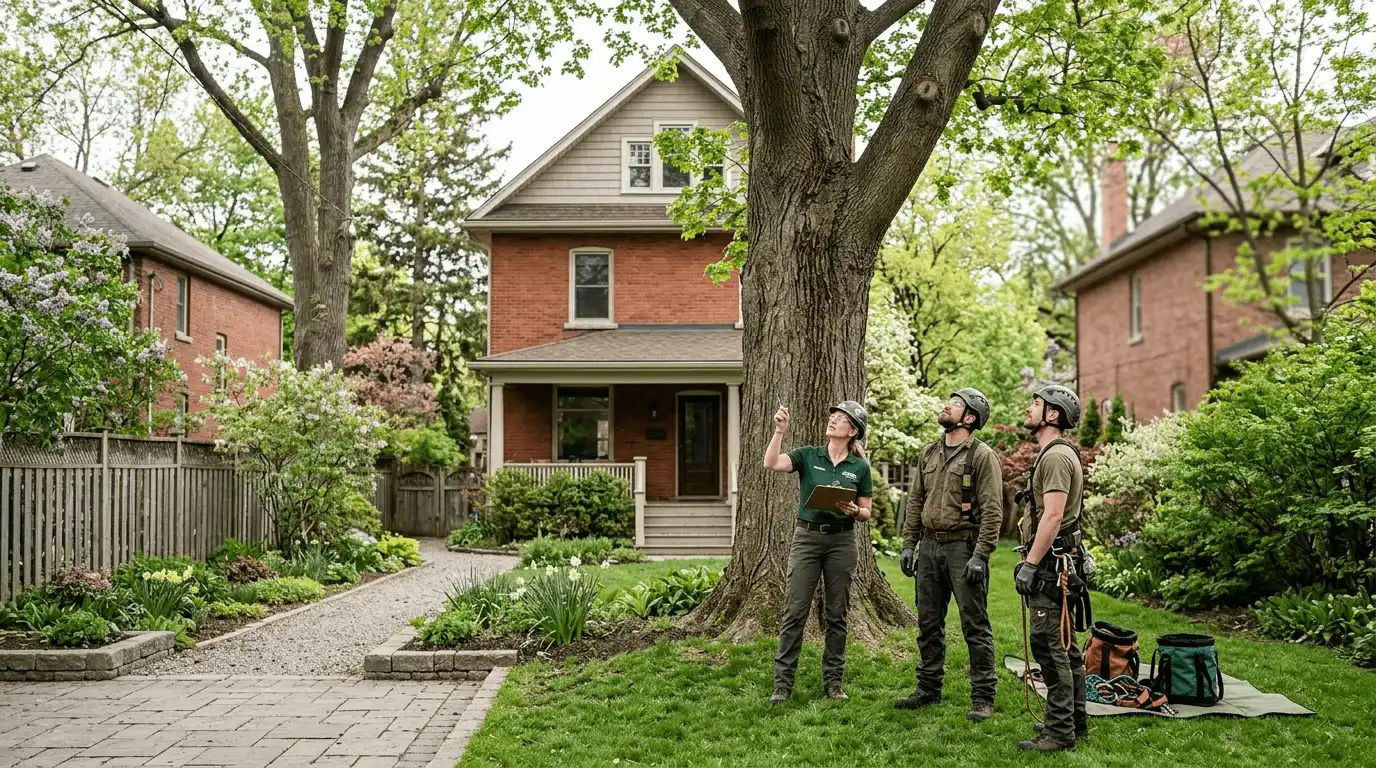
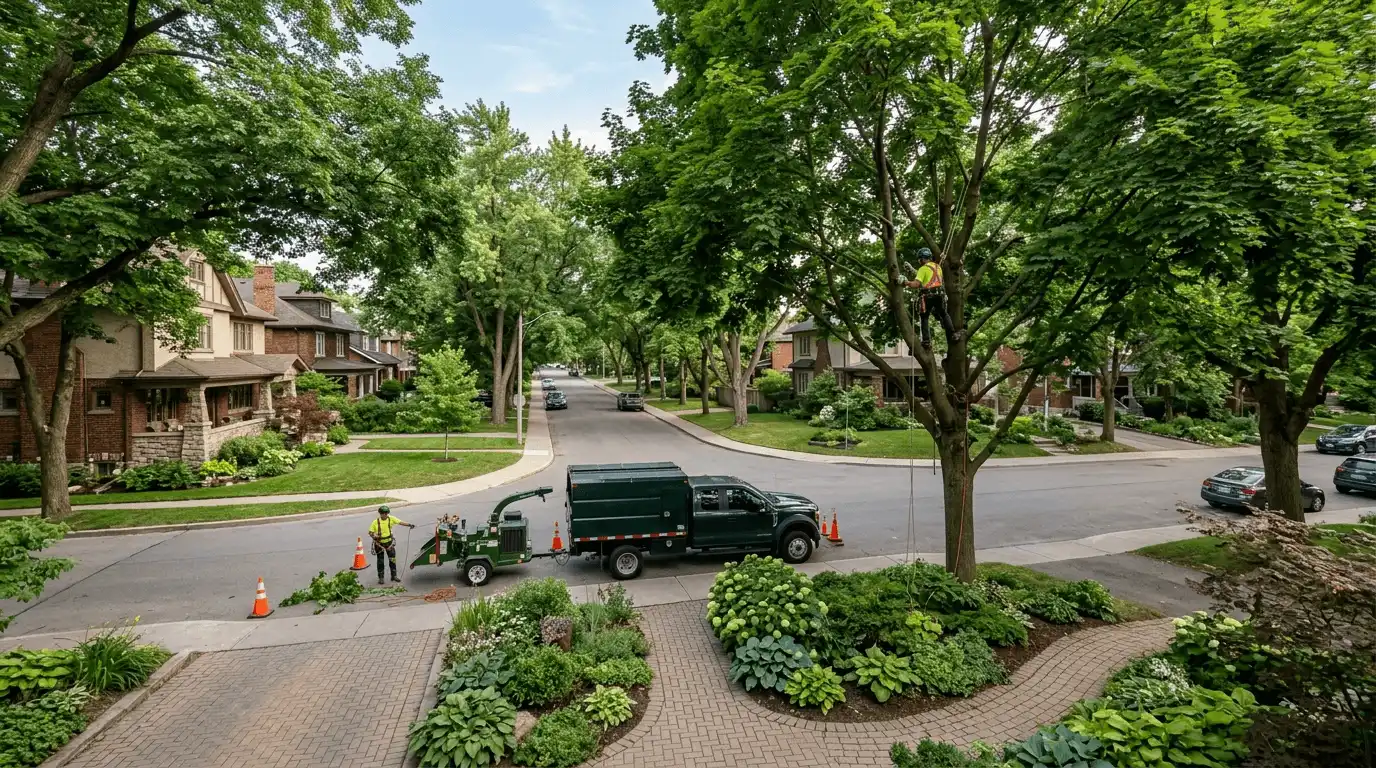
Downtown Hamilton, Durand, Kirkendall, Westdale, Ainslie Wood, Gibson, Stipley, Crown Point, Delta, and Rosedale often involve older lots, tight access, mature trees near homes, branches over driveways or sidewalks, shared fence lines, and trees close to garages, porches, retaining walls, or neighbouring properties. These details can affect how an independent contractor reviews access, work methods, debris handling, stump grinding, cleanup expectations, and possible site limitations.
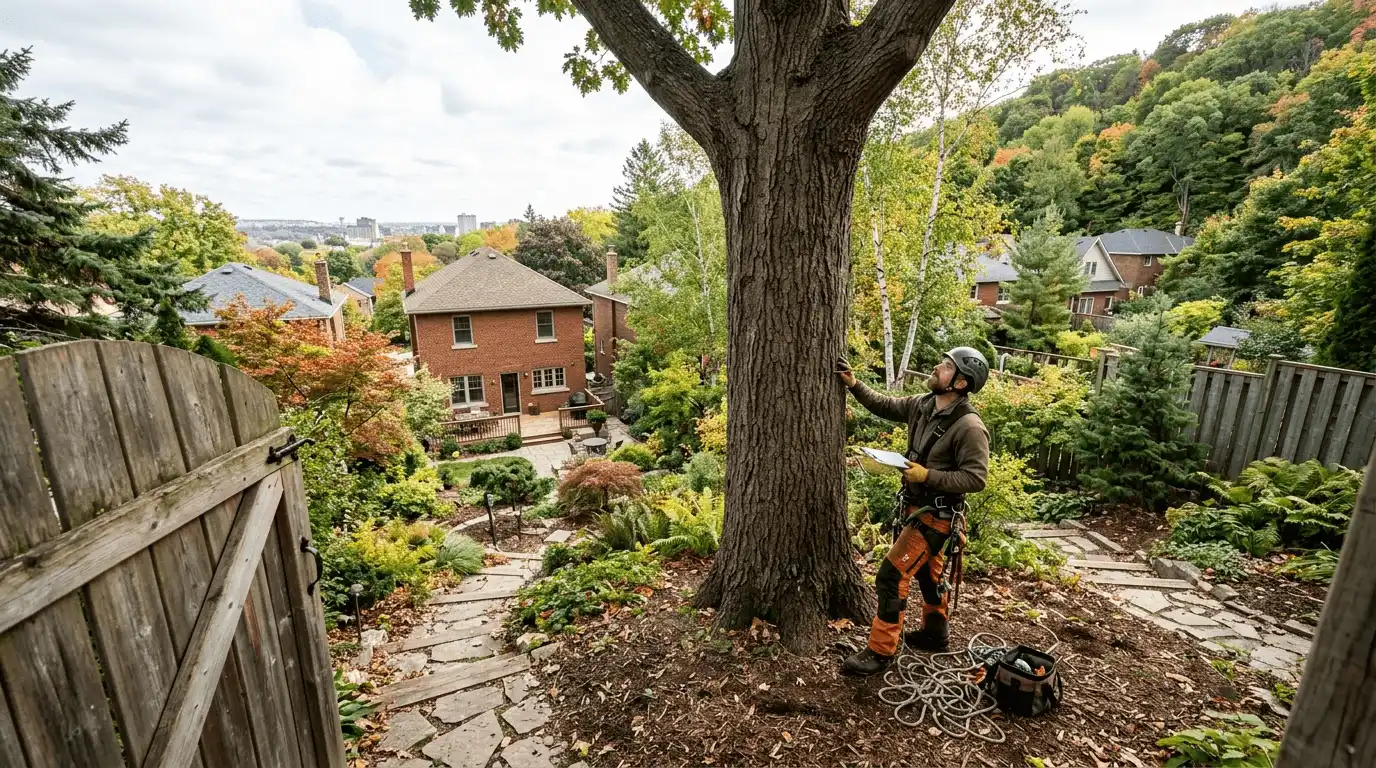
Ancaster, Dundas, Stoney Creek, Waterdown, Flamborough, Glanbrook, Binbrook, Mount Hope, Red Hill, and properties near the Niagara Escarpment, Dundas Valley, Cootes Paradise, Red Hill Creek, Hamilton Harbour, Lake Ontario shoreline, wetlands, streams, or steep slopes may involve additional site considerations. Customers should discuss tree condition, access, visible hazards, property boundaries, utility proximity, cleanup expectations, and permit-related questions directly with the independent contractor, arborist, municipality, or conservation authority where relevant.
Tree-Related Requests in Hamilton, Ontario
Tree Removal Requests
Tree removal requests in Hamilton may involve mature backyard trees, storm-damaged trees, trees near garages, fences, driveways, retaining walls, roofs, utility areas, public property boundaries, slopes, ravines, or trees that appear unstable. Toronto Tree Services may forward your inquiry to an independent arborist or tree care professional where available. The contractor is responsible for reviewing the site, explaining possible removal options, confirming qualifications if requested, and handling pricing, scheduling, cleanup terms, payment, work methods, and service outcomes directly with the customer.
Tree Pruning Requests
Tree pruning requests may involve branches near roofs, sidewalks, driveways, fences, apartment walkways, commercial storefronts, garages, signs, lighting, or utility areas, along with deadwood, dense canopies, storm-damaged limbs, or structural concerns. The independent contractor is responsible for assessing the tree, explaining possible pruning options, confirming qualifications if requested, and handling pricing, scheduling, cleanup terms, payment, and service outcomes directly with the customer.
Stump Grinding Requests
Stump grinding requests in Hamilton may involve old stumps affecting lawns, parking areas, garden beds, walkways, fence lines, re-sodding, planting, or future landscaping plans. The contractor is responsible for assessing the stump, reviewing access, confirming grinding depth, explaining chip handling or haul-away options, and handling pricing, scheduling, cleanup terms, payment, and service outcomes directly with the customer.
Arborist Report Requests
Toronto Tree Services may forward arborist report requests to an independent arborist where available. Arborist reports may be requested for municipal documentation, tree condition concerns, property documentation, neighbour issues, woodland-related questions, or general tree condition review. The independent arborist is responsible for consultation, site review, report preparation, pricing, timelines, payment, and communication directly with the customer.
Urgent Tree Requests
Storms, high winds, lake-effect weather, ice, saturated ground, escarpment exposure, and freeze-thaw conditions can contribute to fallen trees, broken limbs, and unstable branches, especially when decay, soil movement, or weak branch attachments are present. If a tree is on a structure, a limb is hanging, or access is blocked, Toronto Tree Services may forward your urgent tree-related request to an independent tree care professional where available. The contractor is responsible for availability, site assessment, safety recommendations, pricing, cleanup terms, payment, and service outcomes directly with the customer. If there is immediate danger to people, property, roads, public access, or power lines, contact emergency services or the appropriate utility provider first.
Hedge Trimming and Removal Requests
Hedge trimming and hedge removal requests may involve overgrown cedar hedges, uneven property-line hedges, blocked walkways, crowded planting beds, driveway visibility issues, or hedges that no longer fit the layout of the property. The contractor is responsible for assessing the hedge condition, explaining trimming or removal options, confirming qualifications if requested, and handling pricing, scheduling, cleanup terms, payment, and service outcomes directly with the customer.
Frequently Asked Questions About Tree Services in Hamilton, Ontario
Can Hamilton tree-related requests be submitted through Toronto Tree Services?
Yes. Tree-related requests from Hamilton, Ontario may be submitted through Toronto Tree Services. Where available, the request may be forwarded to an independent arborist or tree care professional. The independent contractor handles assessment, estimates, scheduling, pricing, cleanup terms, payment, communication, and service outcomes directly with the customer.
Can private tree rules differ across Hamilton?
Yes. Private tree rules may differ depending on whether the property is in the former City of Hamilton, Ancaster, Dundas, Stoney Creek, a woodland area, or another regulated location. Customers should confirm current requirements directly with the City of Hamilton, Hamilton Conservation Authority where applicable, or an independent arborist before authorizing work.
What should I do if the tree may be on City property?
If a tree may be on City property, a boulevard, road allowance, park, cemetery, open space, or other public property, customers should contact the City of Hamilton before hiring a private contractor. Toronto Tree Services does not inspect municipal trees or make decisions about City-owned trees.
My property is near a ravine, wetland, creek, escarpment slope, Hamilton Harbour, Lake Ontario, or Dundas Valley land. What should I confirm?
Properties near ravines, valleys, wetlands, streams, floodplains, steep slopes, the Niagara Escarpment, Hamilton Harbour, the Lake Ontario shoreline, Dundas Valley land, or adjacent regulated lands may involve Hamilton Conservation Authority review. Customers should confirm applicable requirements with Hamilton Conservation Authority, the City of Hamilton, or an independent arborist before hiring a contractor.
Does Toronto Tree Services prepare municipal documents?
No. Toronto Tree Services does not prepare arborist reports, inspect trees, submit municipal documents, or provide professional arborist opinions. Arborist report or document-related requests may be forwarded to an independent arborist where available.
Should a Hamilton tree contractor have a local license?
Hamilton states that companies hired for private-tree pruning, removal, or investigative work must have a valid Tree Cutting Service License issued by the City. Customers should confirm licensing, qualifications, pricing, cleanup terms, and payment terms directly with the independent contractor before hiring.
What equipment does the contractor use for Hamilton properties?
Equipment, work methods, access planning, and site precautions are determined directly by the independent contractor after reviewing the property. Customers should confirm equipment access, limitations, cleanup terms, and any possible property impacts before hiring.
Can requests be submitted from all Hamilton communities?
Tree-related requests may be submitted from Downtown Hamilton, Westdale, Durand, Kirkendall, Ainslie Wood, Crown Point, Gibson, Stipley, Rosedale, Red Hill, Ancaster, Dundas, Stoney Creek, Waterdown, Flamborough, Glanbrook, Binbrook, Mount Hope, and nearby Hamilton areas. Forwarding depends on independent contractor availability.
How much does tree removal cost in Hamilton, Ontario?
Tree removal pricing is provided directly by the independent contractor. Cost may depend on tree size, access, location, risk level, cleanup expectations, equipment needs, stump grinding, and the final work scope. Customers should confirm all pricing and payment terms in writing before work begins.
Who handles permit-related questions?
Permit-related requirements should be confirmed directly with the City of Hamilton, Hamilton Conservation Authority where applicable, or an independent arborist. Toronto Tree Services does not submit permits or manage municipal approvals.
Can urgent tree concerns be submitted from Hamilton?
Yes. Urgent tree-related requests involving fallen trees, broken limbs, blocked access, or unstable branches may be submitted. Contractor availability, response times, site assessment, safety recommendations, pricing, cleanup, payment, and service outcomes are handled directly by the independent contractor.
Send Your Tree Request in Hamilton, Ontario
Tree-related requests may be submitted from Hamilton communities including Downtown Hamilton, Westdale, Durand, Kirkendall, Ainslie Wood, Crown Point, Gibson, Stipley, Rosedale, Red Hill, Ancaster, Dundas, Stoney Creek, Waterdown, Flamborough, Glanbrook, Binbrook, Mount Hope, and nearby areas. Toronto Tree Services may forward your inquiry to an independent arborist or tree care professional where available. The independent contractor is responsible for assessment, estimates, scheduling, pricing, payment terms, cleanup terms, work performed, qualifications, communication, and service outcomes directly with the customer.