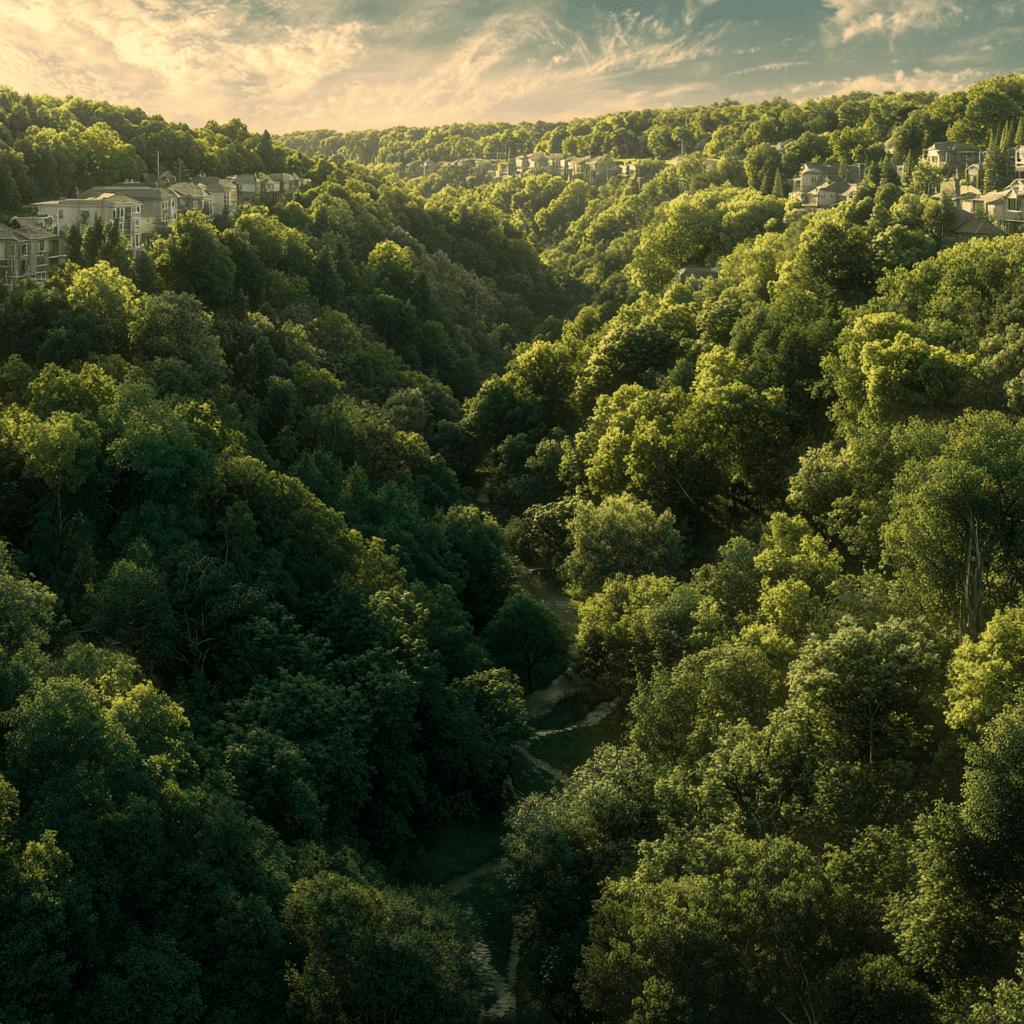
Toronto's Ravine and Natural Feature Protection By-law, Chapter 658, applies to any tree within a designated ravine or natural feature area, regardless of the tree's size. That is the key difference from Chapter 813, the private tree by-law: Chapter 658 is location-based, not size-based. If your property backs onto a ravine, valley or other designated natural feature in Toronto, even removing a small tree or clearing brush in the protected zone requires authorization. Here is what Chapter 658 covers, how to confirm whether it applies to your property, and what the authorization process looks like.
Toronto Ravine By-law - Chapter 658 Key Facts
Most Toronto homeowners are aware of Chapter 813, the Private Tree By-law that protects trees 30cm DBH or more on private property. Chapter 658 is separate and distinct. It doesn't care how big your tree is. It cares where your tree is.
Chapter 658 designates specific ravine and natural feature areas throughout Toronto and prohibits removing, injuring or destroying any tree or natural vegetation within those zones without prior authorization from the City. It also restricts grading, filling, dumping, excavation and construction activity within the protected area.
A tree can be subject to both by-laws simultaneously. If you have a tree that is 30cm DBH or more and located within a designated ravine area, both Chapter 813 and Chapter 658 apply. In practice, the Chapter 658 authorization process is typically more involved, and meeting its requirements generally satisfies the Chapter 813 obligations as well. Your arborist can confirm which frameworks apply to your specific situation.
Toronto publishes online mapping that shows the boundaries of designated ravine and natural feature protection areas. Visit toronto.ca and search for the Ravine and Natural Feature Protection mapping tool. You can enter your address and see whether any portion of your property falls within a protected zone.
Properties most commonly affected include those backing onto the Don River valley system, the Humber River valley, the Rouge River valley, Mimico Creek, Black Creek, and the network of smaller tributary valleys and ravines throughout Toronto. Neighbourhoods with significant ravine proximity include Rosedale, Forest Hill, Lawrence Park, Leaside, Scarborough Bluffs, Etobicoke near the Humber, and the Don Mills corridor.
If you're not sure how to interpret the mapping or where your property boundary sits relative to the protected zone, an ISA certified arborist familiar with Toronto's regulatory mapping can confirm this as part of their site assessment. Do not assume you're outside the protected area based on a visual inspection of the land alone. The protected zone often extends beyond the visible ravine edge.
Within a designated ravine or natural feature protection area, the following activities require authorization from the City before they can take place:
Removing any tree or woody vegetation, regardless of size. This includes cutting, uprooting, killing or injuring trees or shrubs within the protected zone. It also includes activities that would cause a tree or vegetation to die over time, such as cutting roots, removing bark or applying herbicides near root zones.
Grading, filling or excavation. Moving soil, importing fill, levelling land, or excavating within the protected zone requires authorization even if no trees are being directly touched. Construction activity that disturbs the ground within a ravine protection area, including building structures, installing retaining walls, or laying hard surfaces, is also covered.
Even maintenance activities that would otherwise be unrestricted on private property outside a ravine area can require authorization if they take place within the Chapter 658 zone. Before doing any yard work, landscaping or construction near a ravine on your Toronto property, confirm whether that work falls within the protected area.
The edge of the ravine is not the edge of the protected area: Chapter 658's protected zone extends beyond the visible top-of-bank of the ravine. Work within several metres of the ravine edge can fall within the protected zone even if it appears to be on flat residential property. Check the mapping before assuming you're outside the boundary.
In some cases, properties near ravines in Toronto also fall within the jurisdiction of the Toronto and Region Conservation Authority (TRCA). TRCA's regulated area under the Conservation Authorities Act can overlap with Chapter 658's protected zone, particularly near floodplains and significant wetlands. If your property is in a TRCA regulated area, you may need authorization from both the City under Chapter 658 and from TRCA under the provincial Conservation Authorities Act before proceeding with any work.
TRCA's regulated area mapping is available at trca.ca. If your property is near water, a floodplain or a significant natural feature, check both the City's Chapter 658 mapping and the TRCA mapping before making any plans.
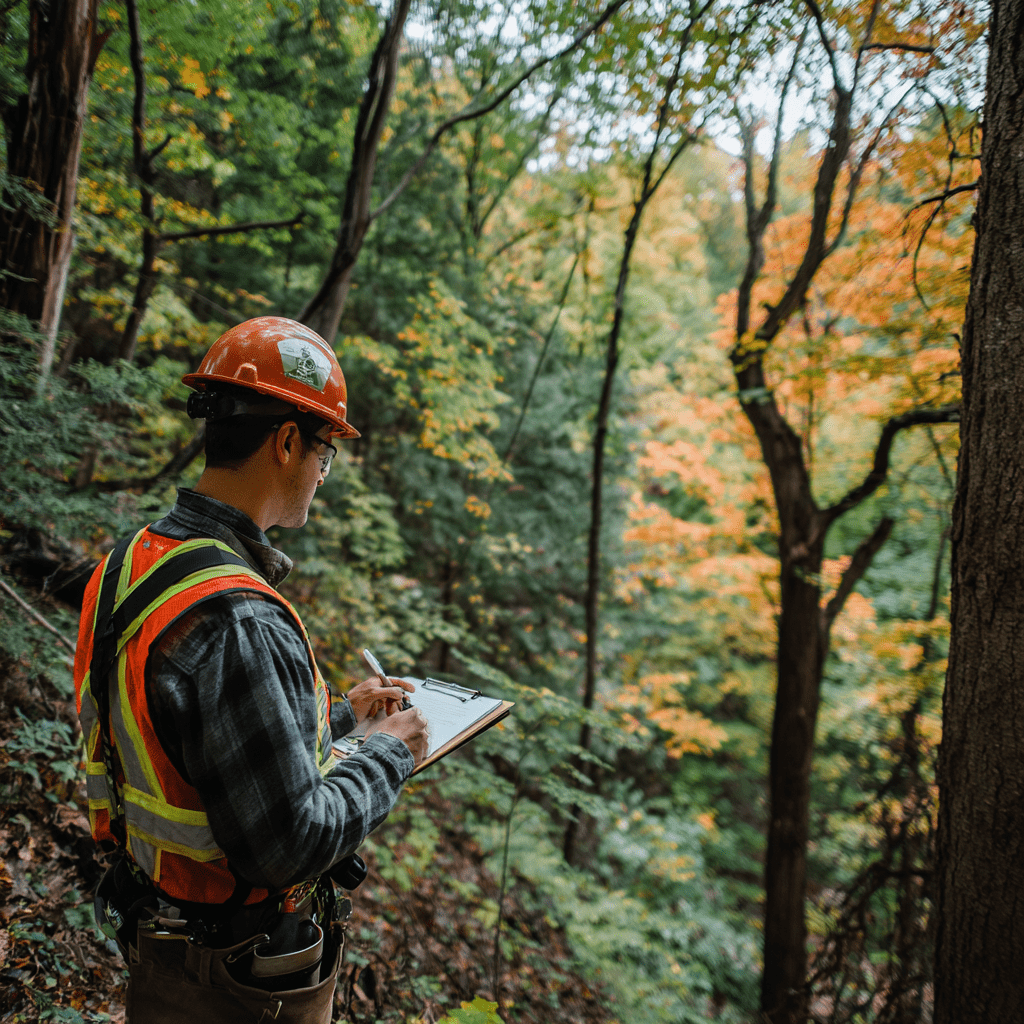
Getting authorization for tree work within a Toronto ravine area is more involved than a standard Chapter 813 permit. The process typically includes the following steps.
Establish whether Chapter 658 applies, whether TRCA authorization is also needed, and whether Chapter 813 applies to any trees being considered for removal. An ISA certified arborist who works regularly with Toronto's regulatory frameworks can confirm all of this at the initial assessment.
A thorough arborist assessment is required. In a ravine context, the assessment goes beyond the individual tree being proposed for removal. The arborist will evaluate the ecological context, the significance of the vegetation being affected, the potential for erosion or slope stability impacts, and whether any replacement or restoration is needed.
Submit the application with the arborist report, site plan and any additional documentation required under Chapter 658. The application is reviewed by Urban Forestry officers who specialize in ravine and natural heritage matters. Review timelines under Chapter 658 can be longer than standard Chapter 813 permit timelines due to the additional complexity involved.
If the work also falls within a TRCA regulated area, a separate application to TRCA is submitted in parallel or sequentially. TRCA's review process has its own timeline and requirements.
Once authorized, the work can proceed. Conditions in ravine area authorizations often include erosion control measures, detailed restoration requirements, and restrictions on when and how work can be performed to minimize ecological impact.
Ravine and natural feature protection rules are the most complex tree regulations in Toronto. Our ISA certified arborist is experienced with Chapter 658 applications, TRCA overlaps, and the documentation required to move through both processes. Don't guess your way through this one.
Chapter 658 affects properties throughout Toronto wherever the city's extensive ravine and valley system runs near residential land. The practical reality is that tens of thousands of Toronto properties have some portion of their land within or adjacent to a designated ravine area, and many owners are not fully aware of it.
Neighbourhoods with particularly high Chapter 658 relevance include Rosedale and Moore Park along the Rosedale Valley ravine system; Forest Hill and Lawrence Park along the various tributaries feeding the Don River system; Leaside and East York along the East Don and Taylor Creek corridors; Scarborough along the Highland Creek and Scarborough Bluffs; Etobicoke along the Humber River and its tributaries including Black Creek; and the entire Don Valley corridor from the forks near Bloor Street north through Thorncliffe Park and beyond.
In these neighbourhoods, properties on ravine-facing lots are the most obviously affected - but properties one or two lots back from the visible ravine edge can also fall within the Chapter 658 protected zone. The boundary is determined by the designation mapping, not by visual proximity to the slope.
When the City issues a restoration order for unauthorized work in a ravine area, the scope of what must be restored can be substantial. The City's restoration standards for ravine areas are based on ecological function, not just visual appearance. This means planting the right species in the right densities to restore the ecological value of what was removed - not simply putting a few trees in the ground.
A typical restoration order for a ravine area violation might require dozens of native trees and shrubs, ground cover planting, erosion control structures, and monitoring over one or more growing seasons to confirm establishment. The professional labour involved in preparing the restoration plan, doing the planting, and carrying out the monitoring is significant. Total costs for a moderate ravine restoration can range from $15,000 to $50,000 or more depending on the extent of the damage. This is the context for understanding why Chapter 658 compliance is not optional.
The consequences of removing trees or conducting unauthorized activity within a Chapter 658 protected area are significantly more serious than a standard Chapter 813 violation. The City can issue a fine, but more significantly it can issue a restoration order requiring you to restore the affected ravine area to its prior condition at your own expense.
Ravine restoration is expensive. It can involve planting dozens of native trees, shrubs and ground covers, installing erosion control structures, and monitoring the site over multiple growing seasons. The cost of a restoration order in a ravine area can easily reach tens of thousands of dollars. This is why confirming whether Chapter 658 applies before any work is started is not optional.
What is a ravine tree permit in Toronto?
It refers to authorization required under Chapter 658 before removing or injuring any tree or vegetation within a designated ravine or natural feature area. Unlike Chapter 813 which applies based on tree size, Chapter 658 applies based on location. Any tree within a designated ravine area needs authorization regardless of its DBH.
How do I know if my property is in a Toronto ravine area?
Toronto has an online mapping tool at toronto.ca where you can check whether your property falls within a designated Ravine and Natural Feature Protection area. An ISA certified arborist familiar with Toronto's regulatory mapping can also confirm this as part of their site assessment.
Can Chapter 658 and Chapter 813 both apply to the same tree?
Yes. A tree within a ravine area that is also 30cm DBH or more can be subject to both Chapter 658 and Chapter 813. The Chapter 658 authorization process is typically more involved, and meeting its requirements generally addresses Chapter 813 obligations as well.
What activities are restricted in a Toronto ravine area?
Chapter 658 restricts all tree and vegetation removal within designated ravine areas, as well as grading, filling, excavation and construction within the protected zone. Even minor landscaping activities may require authorization if they take place within the protected area.
What happens if you remove a tree in a Toronto ravine without a permit?
The City can issue a fine and a restoration order requiring you to restore the affected area at your own expense. Ravine restoration can cost tens of thousands of dollars and must meet the City's ecological restoration standards.
Related Guides and Services