Tree Removal Permit for a Driveway in Toronto: What Property Owners Should Check
The Core Question Before Driveway Work Begins
The practical question is whether the driveway work can be designed, permitted, and built without injuring or removing a protected tree. That question should be answered before the property owner commits to paving, curb work, excavation, grading, drainage changes, or equipment access.
Tree conflicts are not limited to the trunk. Driveway projects can affect roots, root flares, soil compaction, drainage, grade, boulevard trees, neighbouring trees, boundary trees, and replacement planting space. A tree may remain standing but still be injured if roots are cut, soil is compacted, or grade is changed around the root zone.
Toronto Tree Services is a referral and lead generation service only. It does not inspect trees, assess trees, prepare arborist reports, prepare permit applications, submit municipal paperwork, communicate with the City, prepare driveway drawings, perform tree work, dispatch crews, manage jobs, control pricing, collect contractor payments, or guarantee approvals, timelines, insurance, WSIB, cleanup, or outcomes. Where available, a request may be forwarded to an independent arborist or independent tree care professional who can discuss the site directly with the customer.
Where Driveway Tree Applications Often Get Delayed
Driveway-related tree issues often become slow when the project starts with a paving decision instead of a site review. If the proposed driveway edge, access path, or resurfacing area affects a protected tree, the City may need site information, tree details, photos, and scale drawings showing the existing and proposed driveway or resurfacing. Toronto’s current application guidance for construction-related tree files says site plans must show existing and proposed structures, driveways, resurfacing of driveways, and relevant trees on the subject property and nearby adjacent properties.
A vague statement that a tree is “in the way” is weaker than a site-specific explanation of the tree location, driveway layout, excavation area, root-zone concern, and alternatives considered. Measurements, clear photos, and a readable plan help the City and project professionals understand the conflict.
Another common problem is ignoring City-owned trees. A street tree on the boulevard may not belong to the homeowner, even if it is directly beside the driveway. City-owned trees require separate authorization and should not be injured, pruned, paved around, or removed without City approval.
Driveway and tree review checklist
- Tree identification: Species, DBH, condition, ownership, and whether the tree is private, City-owned, neighbouring, boundary-related, ravine-related, or a replacement tree.
- Driveway layout: Existing driveway edge, proposed driveway edge, resurfacing area, curb or boulevard work, parking configuration, and access route.
- Root-zone concerns: Excavation, grading, base preparation, compaction, drainage changes, material storage, and equipment movement near mature trees.
- City constraints: Tree permit rules, zoning restrictions, site-plan control, front-yard landscaping requirements, public right-of-way permits, and City tree rules.
- Alternatives: Adjusted driveway width or location, different paving surface, reduced excavation, altered access route, or other ways to avoid tree injury where feasible.
- Replacement planning: Possible replacement planting locations, site constraints, and current City requirements where a protected tree removal is approved.
Pervious and Permeable Surfaces Near Trees
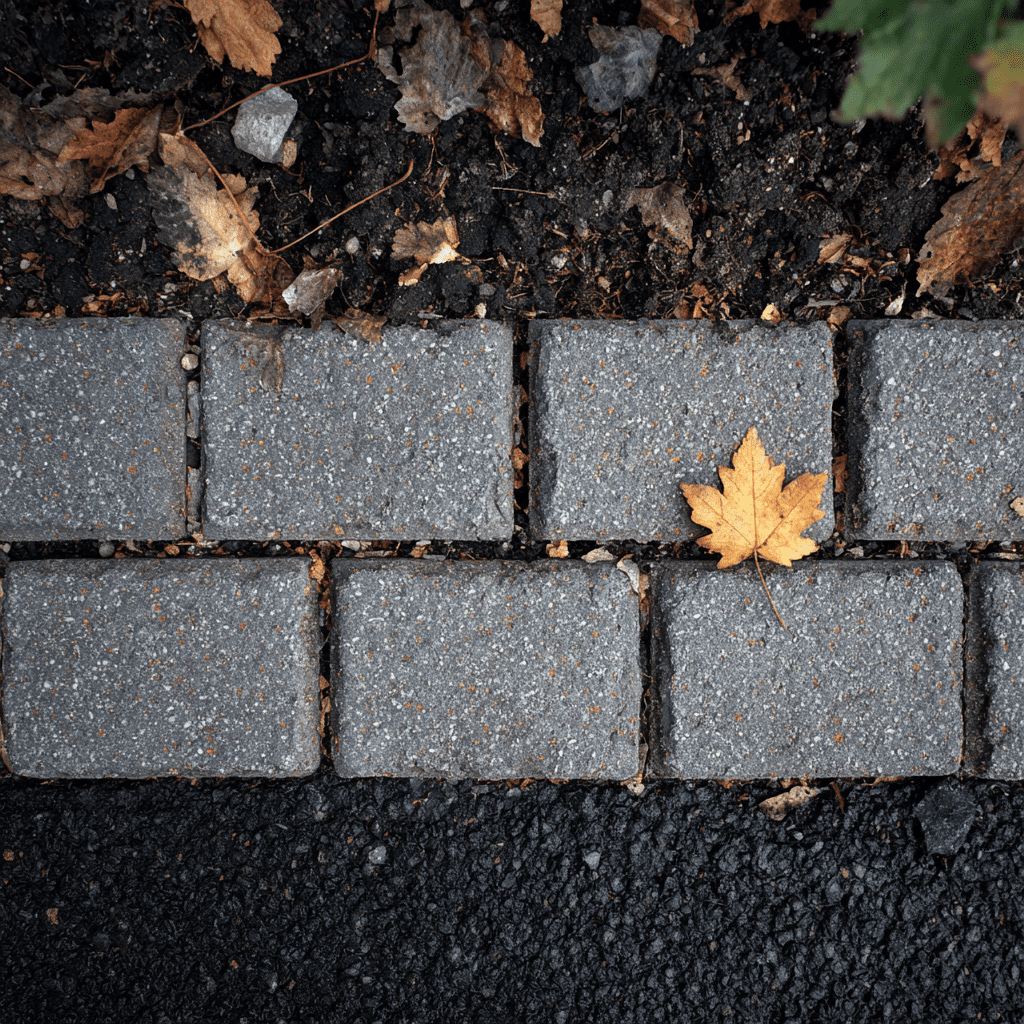
Toronto guidance for front yards, driveway widening, and boulevard parking emphasizes the need to limit paving and impervious material so there is enough space for trees to grow and mature. The City also notes that increased use of pervious materials can improve water infiltration to support trees and vegetation.
Permeable pavement can allow rainwater and snowmelt to drain through joints or pores into an aggregate layer below. That does not automatically mean every permeable driveway design is acceptable near a protected tree. Excavation depth, base preparation, soil compaction, edge restraints, drainage, traffic load, and root-zone location still matter.
If a tree conflict is mostly about surface paving and soil infiltration, a pervious or permeable approach may be worth discussing with the driveway contractor, designer, municipality, and independent arborist where available. If the conflict is with the trunk, major roots, excavation, or minimum construction clearances, permeable paving alone may not solve the issue.
Driveway Timeline: Why Tree Review Should Start Early
Driveway projects can involve several separate review paths. A property owner may need to consider zoning, site plan control, front-yard landscaping rules, public right-of-way work, curb work, City tree protection, private tree permits, neighbour or boundary trees, and contractor scheduling. These issues do not always move on the same timeline.
Toronto says incomplete tree permit applications will not be processed. If a protected tree may be injured or removed, the property owner should confirm requirements and gather the correct documents before committing to a driveway start date. Current application fees, deposits, document requirements, and timing should be checked directly through the City’s current process.
The safest planning approach is to review the tree issue before the driveway contractor finalizes the job scope. It is easier to adjust the driveway layout on paper than to deal with tree permit issues after excavation, demolition, curb work, or paving has been scheduled.
Driveway Project Near a Protected Tree?
Toronto Tree Services is a referral and lead generation service. Where available, your driveway-related tree concern may be forwarded to an independent arborist or independent tree care professional who can discuss tree condition, DBH, root-zone concerns, documentation where offered, pricing, and timing directly with you.
The independent arborist or contractor is responsible for assessment, estimates, reports where offered, permit-related documents where offered, scheduling, work performed, cleanup terms, pricing, payment, communication, qualifications, insurance, WSIB, warranties, and service-related issues directly with the customer.
Current City information is available through Toronto’s official tree and driveway resources.
What a Strong Site Review Usually Clarifies
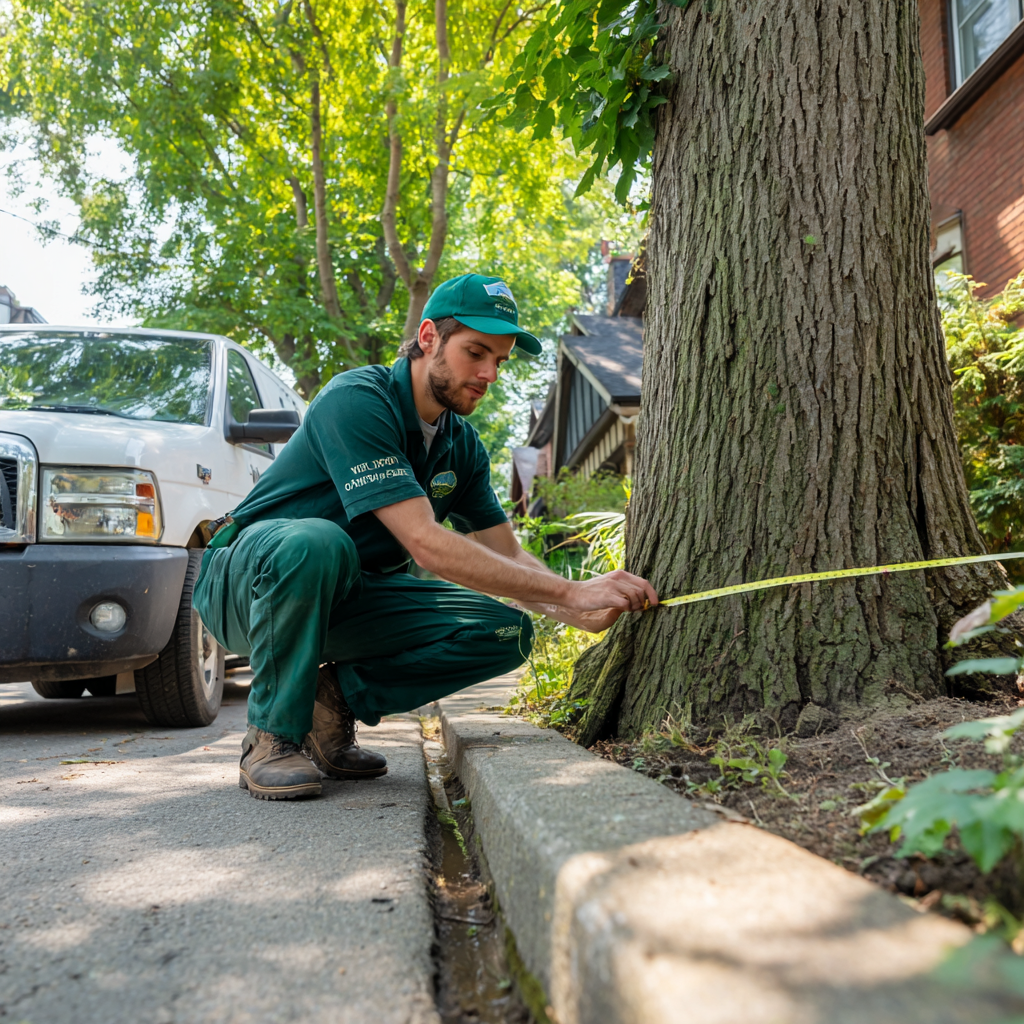
A useful driveway tree review should make the conflict clear. The review should identify the tree, measure the DBH, confirm visible condition, show where the trunk and root flare sit relative to the existing and proposed driveway, and consider whether the proposed work may injure roots or compact soil. It should also consider whether the tree is private, City-owned, neighbouring, boundary-related, or located near a ravine or natural feature area.
For driveway projects, clear photographs are especially useful because they show the tree and driveway relationship in context. Photos should show the trunk, root flare, existing driveway edge, proposed work area, surrounding property, and any visible defects or constraints. A readable site plan or survey markup can help prevent confusion.
If removal is being considered, replacement planting should be reviewed early. A widened driveway may reduce available planting space, so replacement planting locations, City requirements, and any current cash-in-lieu option should be confirmed before work begins.
Single-Car, Double-Car, and Parking Context
Driveway widening for a second vehicle can raise more planning questions than maintaining or replacing an existing single-car driveway. The issue is not only tree removal. The City may also consider zoning, landscaped open space, front-yard paving, boulevard impacts, curb cuts, and public right-of-way work depending on the property and scope.
Property owners should not assume that a driveway can be widened just because there is physical space on the lot. A proposed driveway may still be restricted by zoning, site plan control, front-yard landscaping requirements, street tree constraints, or right-of-way rules. If the proposed widening affects a protected tree, that adds another review layer.
Before committing to a double-car driveway layout, confirm the parking need, driveway location, zoning context, tree impacts, and whether a less intrusive configuration is possible. An independent arborist may discuss tree impacts where available, while zoning, driveway, public right-of-way, and legal questions should be confirmed with the City or the appropriate project professional.
Replacement Planting and Driveway Layout
When Toronto approves the injury or removal of a protected tree, the permit can include conditions such as replacement planting, approved tree-related measures, deposits, or other requirements. Driveway widening can make replacement planting harder because the new paved area may reduce available soil and growing space.
If a replacement tree is required, confirm the species, size, location, timing, and survival-related conditions directly through the City process. If the property genuinely lacks room for replanting, confirm whether a current cash-in-lieu option applies. Do not rely on old fee amounts or assumptions because City requirements can change.
The independent arborist or contractor is responsible for their own documents, estimates, work, communication, pricing, insurance, WSIB, warranties, and service-related issues directly with the customer. Toronto Tree Services does not collect City fees, decide replacement planting conditions, or guarantee City approvals.
What Can Go Wrong If Tree Review Happens Too Late?
Late tree review can create delays, redesign costs, neighbour issues, enforcement risk, or scheduling problems. If the driveway contractor discovers major roots during excavation, cutting through them may injure or destabilize a protected tree. If the tree is City-owned, injury can create a separate issue. If the tree is near a boundary, neighbour consent or legal questions may arise.
Toronto states that a permit is required to injure or remove a bylaw-protected tree, ravine, or natural feature. The City also states that injuring or removing a protected tree without permission can lead to enforcement consequences. It is safer to confirm tree impacts before excavation, grading, paving, curb work, or material staging begins.
Frequently Asked Questions
Can I get a tree permit to widen my driveway in Toronto?
A driveway project may require tree-related review if protected trees may be injured or removed. Toronto generally protects private trees with a diameter of 30 cm or more measured at 1.4 metres above ground, all City-owned trees, and trees or vegetation in ravine or natural feature protection areas. Driveway widening may also face zoning, site-plan, front-yard landscaping, and public right-of-way restrictions.
What information helps when a driveway project affects a protected tree?
Useful information can include tree species, DBH, location, ownership, condition, distance from existing and proposed driveway edges, excavation limits, grading changes, root-zone concerns, access routes, photos, and whether City-owned, neighbouring, boundary, ravine, or replacement trees may be affected.
Does Toronto prefer pervious or permeable surfaces near trees?
Toronto guidance encourages limiting paving and impervious material in front yards and on City boulevards to provide space for tree growth and planting. The City also notes that increased use of pervious materials can improve water infiltration that supports trees and vegetation. Suitability depends on the site and construction details.
Does removing a tree for a driveway affect my property taxes or valuation?
Toronto Tree Services cannot assess property tax or valuation impacts. Property tax, resale value, appraisal, and insurance questions should be discussed with MPAC, a qualified appraiser, real estate professional, insurer, or legal advisor.
What happens if driveway widening leaves no room for replacement planting?
Toronto tree permits can include replacement planting conditions. If a driveway project reduces available planting space, confirm acceptable planting locations, replacement requirements, deposits, and any current cash-in-lieu option directly with the City through the current permit process.
Related Guides